





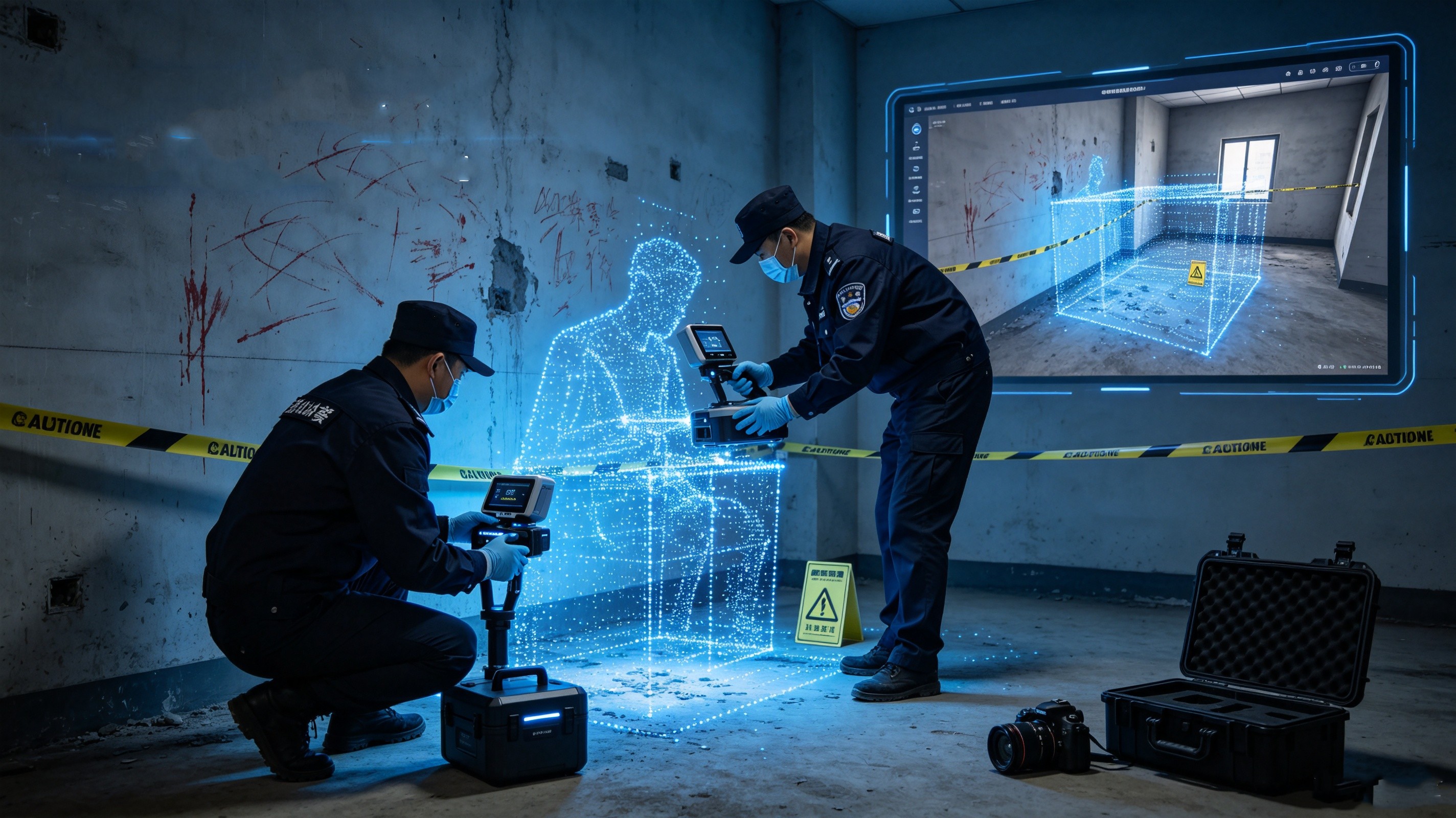
The total volume of cultural relics stored in museums at all levels in China is enormous, encompassing precious remains across multiple categories such as bronzes, paintings and calligraphy, stone carvings, statues, excavated artifacts, and ancient architectural remains. Meanwhile, the judicial system has long retained a large number of confiscated artworks, case-related cultural relics, and seized antique assets. The traditional paper-based archive and 2D photo storage models face three major pain points:

Irreversible damage to physical cultural relics: Organic cultural relics such as paintings, calligraphy, wooden objects, and painted pottery continuously age over time. Frequent retrieval for exhibition and inspection accelerates their deterioration, making it impossible to permanently preserve the details of their original forms. Grottoes and cliff inscriptions are affected by weathering and geological deformation, peeling off and disappearing year by year, making it difficult to preserve and record their original appearance.
Fragmented archives, unable to be reused across the board: Cultural relic archives are scattered and stored in different units such as museums, judicial administrations, and archaeological institutes. Data formats are inconsistent, forming information silos that make it difficult to conduct comparative research and online reviews. 2D images cannot restore the three-dimensional structure, carving textures, and damage traces of artifacts, offering limited reference value for judicial appraisal and cultural relic restoration.
Difficulties in cross-border recovery and evidence collection for lost cultural relics: A large number of precious cultural relics are scattered overseas. The threshold for offline physical inspection and material evidence collection is extremely high, and traditional materials cannot meet the standards of admissibility for international judicial authorities. Cultural relic recovery lacks standardized, legally valid digital evidence carriers.
To solve the above industry pain points, the project has launched the construction of a comprehensive 3D digital asset database for cultural relics, unifying collection standards, ensuring closed-loop secure storage, and expanding multi-scenario applications to connect the entire chain of cultural relic protection, judicial preservation, and international cooperation.