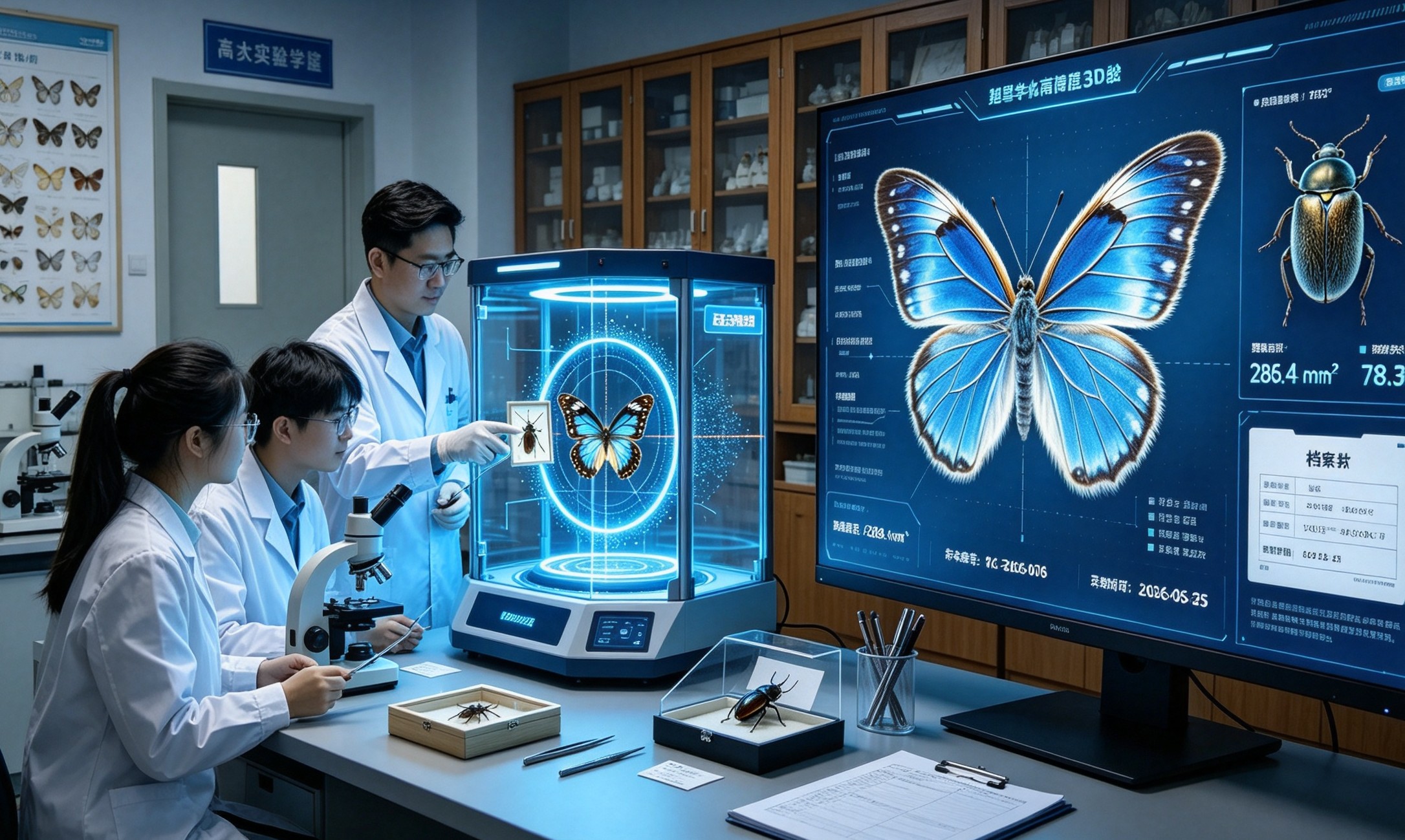
Construction of a high-precision 3D digital cultural heritage asset database
Irreversible damage to physical cultural relics: Organic relics such as paintings, wooden artifacts, and painted pottery continuously age over time; frequent retrieval for exhibition inspection accelerates their deterioration, making it impossible to permanently preserve their original morphological details; grottoes and cliff inscriptions are affected by weathering and geological deformation, gradually peeling away and disappearing, making difficult to preserve and record their original appearance.
Fragmented archives, unable to be reused across the entire field: Cultural relic archives are scattered across different institutions such as museums, judicial departments, and archaeological institutes; inconsistent data formats create information silos, making it difficult to conduct comparative research and online reviews; two-dimensional images cannot restore the three-dimensional structure, textures, and damage traces of artifacts, offering limited reference value for judicial appraisal and cultural relic restoration.


 Digital twin solution for movable cultural relics
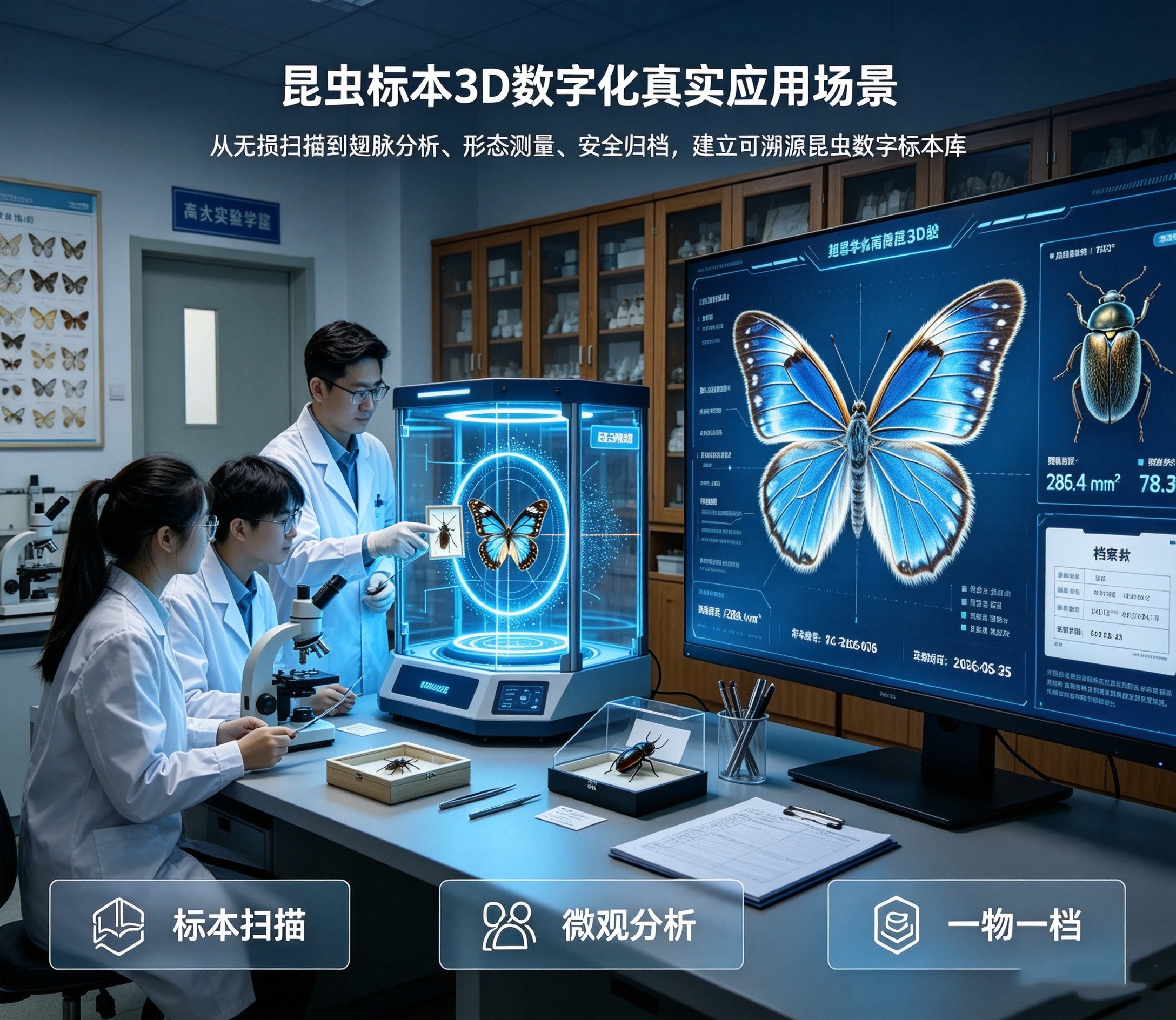 3D digitization scheme for insect specimens
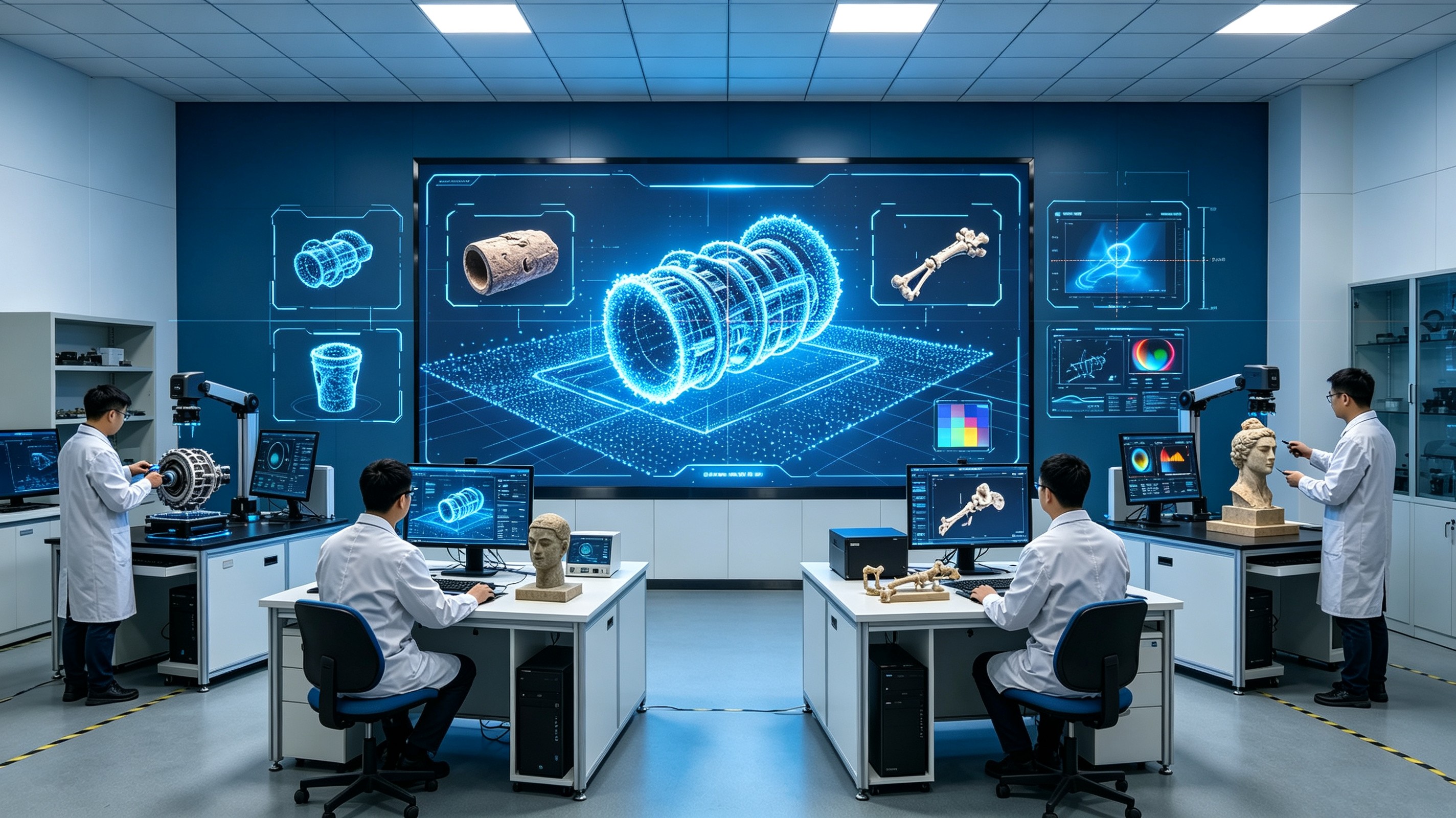 Digital twin solution for higher education research institutions
 3D digital solution for ores
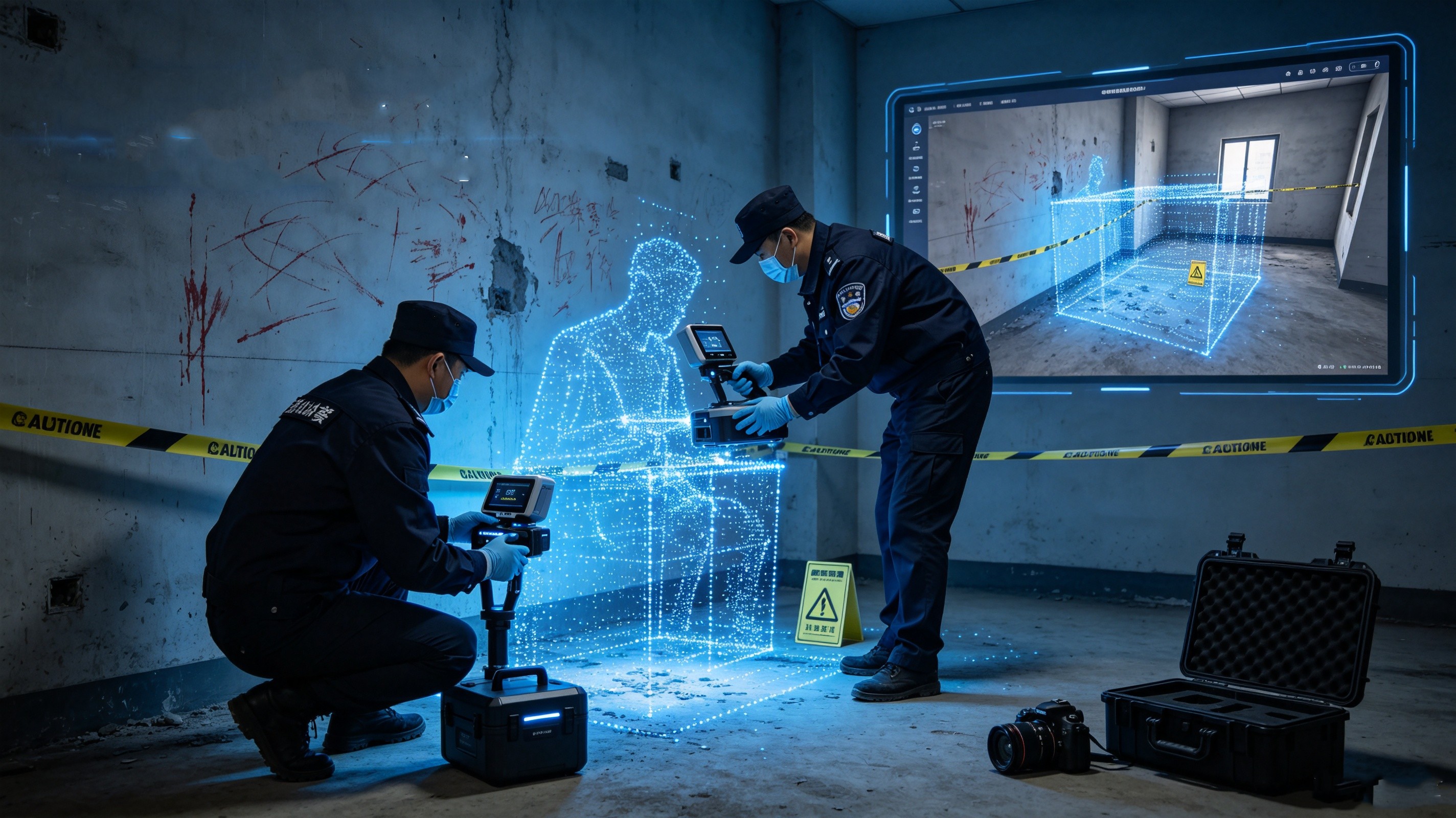 Overall Solution for 3D Digital Intelligence Construction of Public Security, Procuratorate and Court Authorities